What to Do After Flood or Fire Damage
When your home or business experiences water or fire damage, every minute counts. Acting quickly and decisively is crucial to limiting long-term damage and repair costs.
This checklist guides you through exactly what to do, immediately and in the critical hours that follow damage.
Immediately After Damage Occurs
1. Ensure Safety First
First, verify the area is absolutely safe to enter, do not delay this step.
- Turn off the electricity if water is present
- Avoid standing water (especially near outlets)
- Stay clear of structural damage or weakened areas
- In fire situations, wait for clearance before re-entering
Your safety and the safety of others come first.
2. Stop the Source (If Possible)
If the damage is caused by something active:
- Shut off the main water supply (for leaks or floods)
- Turn off appliances causing water issues
- Contain the spread if it’s safe to do so
Act immediately: stopping the source prevents further damage.
3. Document the Damage
Before you touch or move anything, immediately document everything with clear photos and videos.
Capture:
- Affected areas
- Furniture and flooring
- Walls and ceilings
- Any visible water lines or fire damage
This is important for:
- Insurance claims
- Restoration assessment
Within the First Few Hours
4. Remove Excess Water (If Safe)
If possible, begin removing water:
- Use towels, mops, or wet vacs
- Open windows (if the weather allows)
- Start airflow with fans
Act fast – even small early steps will significantly reduce further damage.
5. Move Valuable Items
Protect items that can be saved:
- Furniture
- Rugs
- Electronics
- Important documents
Immediately move valuables to a dry, safe area to prevent further damage.
6. Avoid DIY Deep Cleaning
It’s tempting to start cleaning immediately, but:
- Water can be trapped under floors or in walls
- Improper drying can lead to mould
- Fire damage residue requires specialized cleaning
Focus on prevention not full restoration.
Within 24 Hours (CRITICAL WINDOW)
7. Contact a Professional Restoration Company
Time is critical. Within 24 hours:
- Water damage can begin, leading to mould
- Materials can start to deteriorate
- Odours can set in
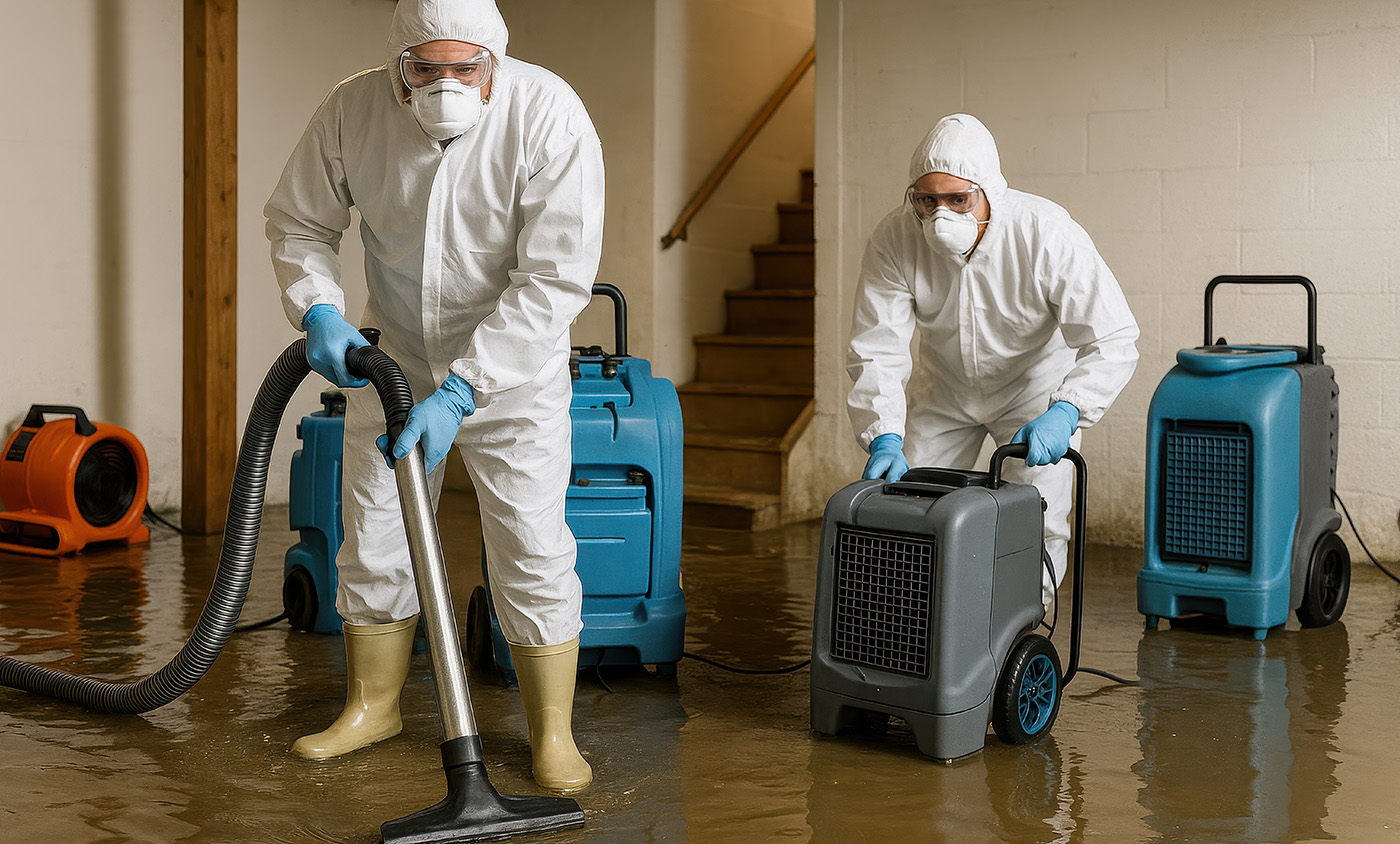
Professional restoration includes:
- Industrial drying equipment
- Moisture detection
- Safe and thorough cleaning
8. Begin Drying and Dehumidification
Professionals will:
- Set up air movers and dehumidifiers
- Remove moisture from hidden areas
- Monitor drying progress
Ensure proper drying immediately; this is vital to prevent long-lasting, severe damage.
9. Separate Salvageable vs Damaged Materials
Some items can be restored, others may not.
Common salvageable items:
- Some furniture
- Area rugs (depending on damage)
- Structural materials (if treated quickly)
Fire & Smoke-Specific Steps
10. Do Not Attempt to Clean Soot Yourself
Soot can:
- Spread easily
- Stain permanently if handled incorrectly.
- Contain harmful particles
Never try to clean soot yourself. Only urgent professional cleaning prevents lasting harm.
11. Ventilate Carefully
If safe:
- Open windows
- Allow airflow
Prompt action is needed to reduce smoke odour buildup.
12. Address Odours Properly
Smoke odours can embed in:
- Carpets
- Upholstery
- HVAC systems
Surface cleaning will not remove these; immediate specialized deodorization is required.
What NOT to Do
- Don’t delay action
- Don’t use household cleaners on damaged surfaces
- Don’t assume areas are dry
- Don’t ignore hidden moisture
These mistakes often lead to:
- Mould growth
- Permanent damage
- Higher restoration costs
Final Thoughts
Flood and fire damage escalate rapidly. Early action is your single best defence.
A fast, structured response helps:
- Reduce repair costs
- Prevent long-term damage
- Restore your space more effectively
When in doubt, act quickly and involve professionals to properly assess the situation.